
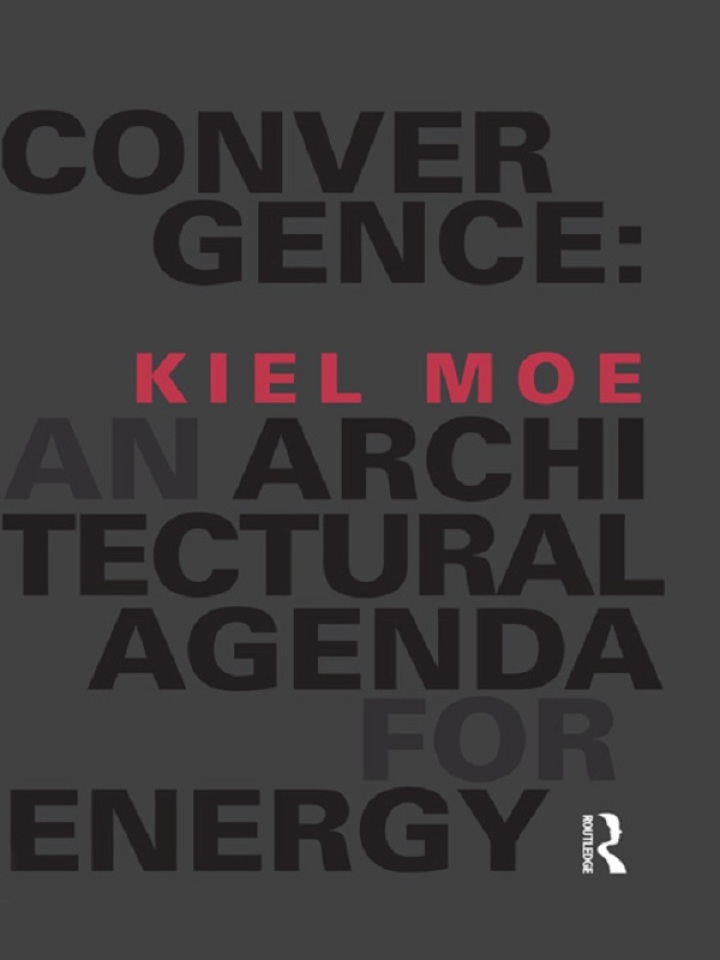
Convergence: An Architectural Agenda for Energy
$29.00
Convergence is based on the thermodynamic premise that architecture should maximize its ecological and architectural power. No matter how paradoxical it might initially seem, architects should maximize energy intake, maximize energy use, and maximize energy feedback and reinforcement. This presumes that the necessary excess of architecture is in fact an architect’s greatest asset when it comes to an agenda for energy, not a liability. But how do we start to understand the full range of eco-thermodynamic principles which need to be engaged with in order to achieve this? Kiel Moe explicates three factors: materials, energy systems and amortization. When these three factors converge through design, the resulting buildings begin to perform in complex, if not subtle, ways. By drawing on a range of architectural, thermodynamic, and ecological sources as well as illustrated and well-designed case studies, the author shows what architecture stands to gain by simultaneously maximizing the architectural and ecological power of buildings..Additional ISBNs0415824907, 0415824915, 0203489446, 9780415824903, 9780415824910, 9780203489444, 1299767087, 1135052727, 1135052735, 9781299767089, 9781135052720, 9781135052737Convergence: An Architectural Agenda for Energy 1st Edition is written by Kiel Moe and published by Routledge. ISBNs for Convergence: An Architectural Agenda for Energy are 9781135052737, 1135052735 and the print ISBNs are 9780415824903, 0415824907. Additional ISBNs include 0415824907, 0415824915, 0203489446, 9780415824903, 9780415824910, 9780203489444, 1299767087, 1135052727, 1135052735, 9781299767089, 9781135052720, 9781135052737.
Be the first to review “Convergence: An Architectural Agenda for Energy”
Related products


Reviews
There are no reviews yet.