
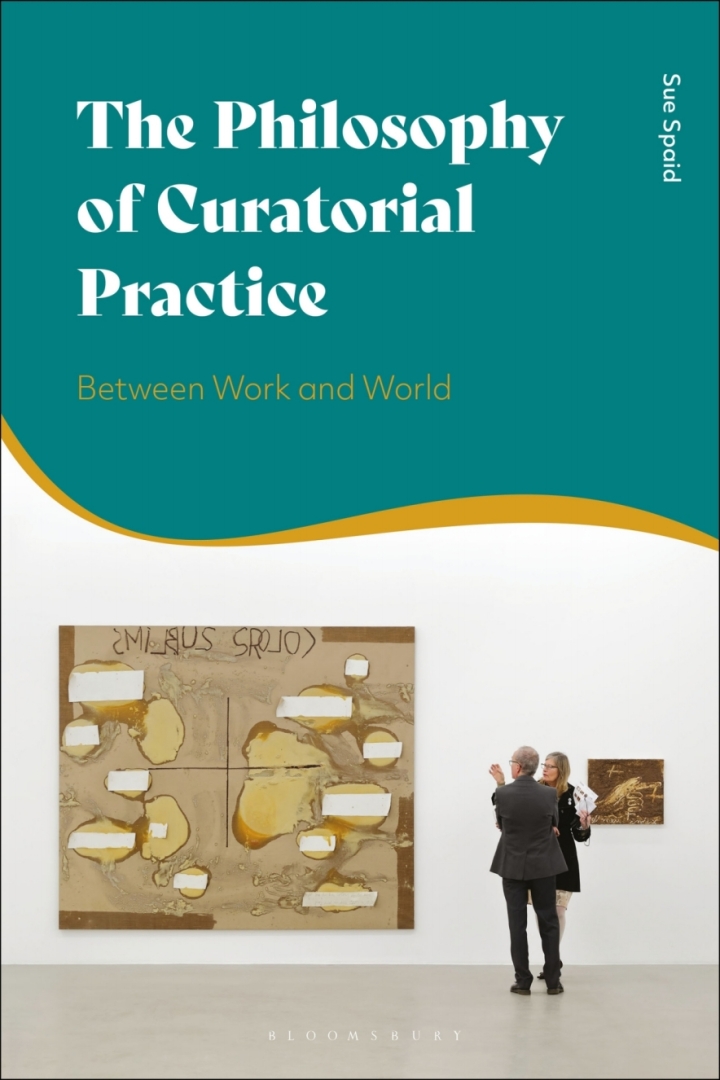
The Philosophy of Curatorial Practice: Between Work and World
$30.00
This book walks us through the process of how artworks eventually get their meaning, showing us how curated exhibitions invite audience members to weave an exhibition’s narrative threads, which gives artworks their contents and discursive sense. Arguing that exhibitions avail artworks as candidates for reception, whose meaning, value, and relevance reflect audience responses, it challenges the existing view that exhibitions present “already-validated”� candidates for appreciation. Instead, this book stresses the collaborative nature of curatorial practices, debunking the twin myths of autonomous artists and sovereign artistic directors and treating presentation and reception as separate processes. Employing set theory to distinguish curated exhibitions from uncurated exhibitions, installation art and collections, it demonstrates how exhibitions grant spectators access to concepts that aid their capacity to grasp artifacts as artworks. To inform and illuminate current debates in curatorial practice, Spaid draws on a range of case studies from Impressionism, Dada and Surrealism to more contemporary exhibitions such as Maurizio Cattelan “All”� (2011) and “Damien Hirst”� (2012). In articulating the process that cycles through exploration, interpretation, presentation and reception, curating bears resemblance to artistic direction more generally. Additional ISBNs1350114898, 1350184012, 9781350114890, 9781350184015The Philosophy of Curatorial Practice: Between Work and World 1st Edition is written by Sue Spaid and published by Bloomsbury Academic. ISBNs for The Philosophy of Curatorial Practice are 9781350114906, 1350114901 and the print ISBNs are 9781350114890, 1350114898. Additional ISBNs include 1350114898, 1350184012, 9781350114890, 9781350184015.
Be the first to review “The Philosophy of Curatorial Practice: Between Work and World”
Related products





New Book

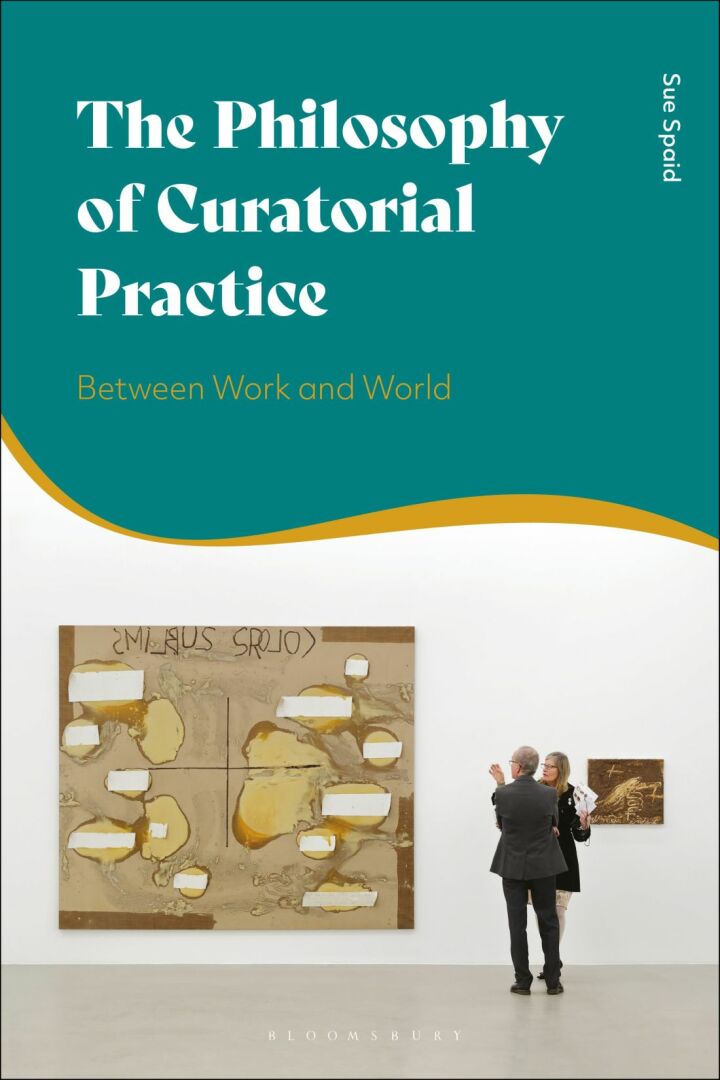
The Philosophy of Curatorial Practice: Between Work and World
$30.00
This book walks us through the process of how artworks eventually get their meaning, showing us how curated exhibitions invite audience members to weave an exhibition’s narrative threads, which gives artworks their contents and discursive sense. Arguing that exhibitions avail artworks as candidates for reception, whose meaning, value, and relevance reflect audience responses, it challenges the existing view that exhibitions present “already-validated”� candidates for appreciation. Instead, this book stresses the collaborative nature of curatorial practices, debunking the twin myths of autonomous artists and sovereign artistic directors and treating presentation and reception as separate processes. Employing set theory to distinguish curated exhibitions from uncurated exhibitions, installation art and collections, it demonstrates how exhibitions grant spectators access to concepts that aid their capacity to grasp artifacts as artworks. To inform and illuminate current debates in curatorial practice, Spaid draws on a range of case studies from Impressionism, Dada and Surrealism to more contemporary exhibitions such as Maurizio Cattelan “All”� (2011) and “Damien Hirst”� (2012). In articulating the process that cycles through exploration, interpretation, presentation and reception, curating bears resemblance to artistic direction more generally. Additional ISBNs1350114898, 1350184012, 9781350114890, 9781350184015The Philosophy of Curatorial Practice: Between Work and World 1st Edition is written by Sue Spaid and published by Bloomsbury Academic. ISBNs for The Philosophy of Curatorial Practice are 9781350114913, 135011491X and the print ISBNs are 9781350114890, 1350114898. Additional ISBNs include 1350114898, 1350184012, 9781350114890, 9781350184015.
Reviews
There are no reviews yet.
Be the first to review “The Philosophy of Curatorial Practice: Between Work and World”
Related products




New Book
New Book
Reviews
There are no reviews yet.