
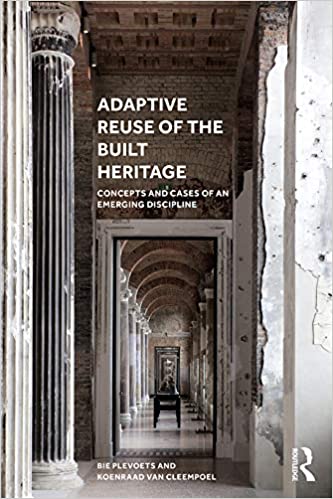
Adaptive Reuse of the Built Heritage: Concepts and Cases of an Emerging Discipline
$15.99
Adaptive reuse -the process of repairing and restoring existing buildings for new or continued use -is becoming an essential part of architectural practice. As mounting demographic, economic, and ecological challenges limit opportunities for new construction, architects increasingly focus on transforming and adapting existing buildings.This book introduces adaptive reuse as a new discipline. It provides students and professionals with the understanding and the tools they need to develop innovative and creative approaches, helping them to rethink and redesign existing buildings -a skill which is becoming more and more important. Part I outlines the history of adaptive reuse and explains the concepts and methods that lie behind new design processes and contemporary practice. Part II consists of a wide range of case studies, representing different time periods and strategies for intervention. Iconic adaptive reuse projects such as the Caixa Forum in Madrid and the Rijksmuseum in Amsterdam are discussed alongside less famous and spontaneous transformations such as the Kunsthaus Tacheles in Berlin, in addition to projects from Italy, Spain, Croatia, Belgium, Poland, and the USA.Featuring over 100 high-quality color illustrations, Adaptive Reuse of the Built Heritage is essential reading for students and professionals in architecture, interior design, heritage conservation, and urban planning.Product details Simultaneous Publisher: Routledge; 1 edition (April 18, 2019) Publication Date: April 18, 2019
Be the first to review “Adaptive Reuse of the Built Heritage: Concepts and Cases of an Emerging Discipline”
Related products


Ebook New zetlly
Ebook New zetlly
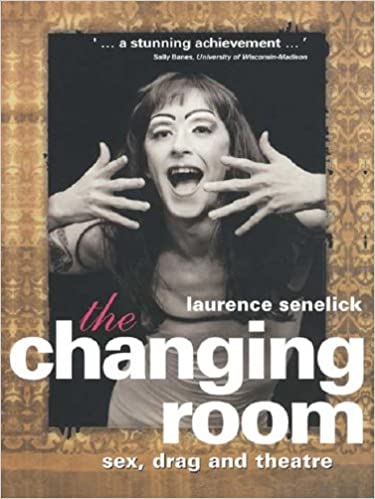
The Changing Room: Sex, Drag and Theatre (Gender in Performance)

Ebook New zetlly
Ebook New zetlly
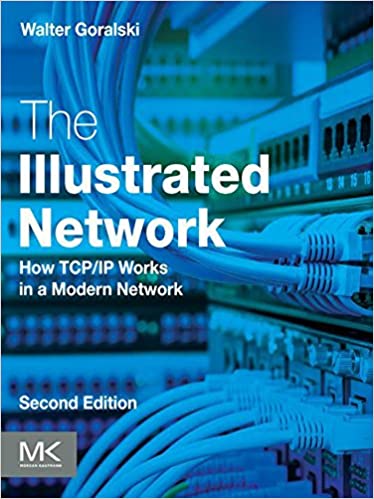
The Illustrated Network: How TCP/IP Works in a Modern Network
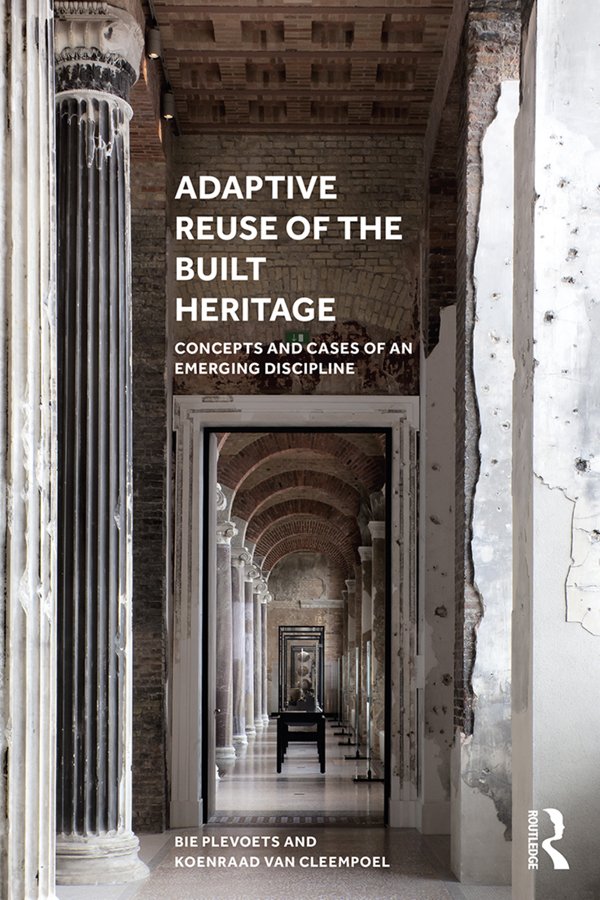
Adaptive Reuse of the Built Heritage: Concepts and Cases of an Emerging Discipline
$19.00
Adaptive reuse – the process of repairing and restoring existing buildings for new or continued use – is becoming an essential part of architectural practice. As mounting demographic, economic, and ecological challenges limit opportunities for new construction, architects increasingly focus on transforming and adapting existing buildings. This book introduces adaptive reuse as a new discipline. It provides students and professionals with the understanding and the tools they need to develop innovative and creative approaches, helping them to rethink and redesign existing buildings – a skill which is becoming more and more important. Part I outlines the history of adaptive reuse and explains the concepts and methods that lie behind new design processes and contemporary practice. Part II consists of a wide range of case studies, representing different time periods and strategies for intervention. Iconic adaptive reuse projects such as the Caixa Forum in Madrid and the Rijksmuseum in Amsterdam are discussed alongside less famous and spontaneous transformations such as the Kunsthaus Tacheles in Berlin, in addition to projects from Italy, Spain, Croatia, Belgium, Poland, and the USA. Featuring over 100 high-quality color illustrations, Adaptive Reuse of the Built Heritage is essential reading for students and professionals in architecture, interior design, heritage conservation, and urban planning.Additional ISBNs9781138062757|9781315161440, 1138062758|1315161443, 9781315161440, 9781138062764, 1138062766Adaptive Reuse of the Built Heritage Concepts and Cases of an Emerging Discipline 1st Edition by Bie Plevoets; Koenraad Van Cleempoel and Publisher Routledge. ISBN: 9781351665360, 1351665367. The print version of this textbook is ISBN: 9781138062757, 1138062758.
Reviews
There are no reviews yet.
Be the first to review “Adaptive Reuse of the Built Heritage: Concepts and Cases of an Emerging Discipline”
Related products
New Book

Best Seller


Reviews
There are no reviews yet.