
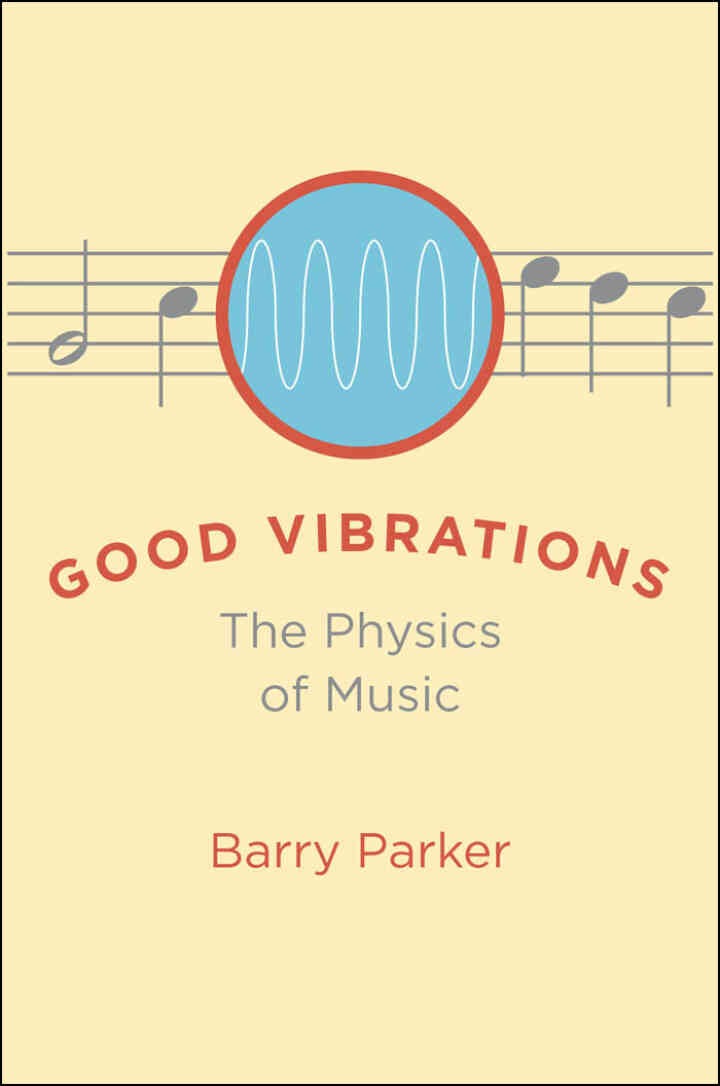
Good Vibrations: The Physics of Music
$20.00
.Why does a harpsichord sound different from a piano? For that matter, why does middle C on a piano differ from middle C on a tuning fork, a trombone, or a flute? Good Vibrations explains in clear, friendly language the out-of-sight physics responsible not only for these differences but also for the whole range of noises we call music.The physical properties and history of sound are fascinating to study. Barry Parker’s tour of the physics of music details the science of how instruments, the acoustics of rooms, electronics, and humans create and alter the varied sounds we hear. Using physics as a base, Parker discusses the history of music, how sounds are made and perceived, and the various effects of acting on sounds. In the process, he demonstrates what acoustics can teach us about quantum theory and explains the relationship between harmonics and the theory of waves.Peppered throughout with anecdotes and examples illustrating key concepts, this invitingly written book provides a firm grounding in the actual and theoretical physics of music.Good Vibrations: The Physics of Music is written by Barry Parker and published by JHUP. ISBNs for Good Vibrations are 9780801897078, 0801897076 and the print ISBNs are 9780801892646, 0801892643.
Be the first to review “Good Vibrations: The Physics of Music”
Related products

Best Seller zetlly pro

Best Seller zetlly pro


Best Seller zetlly pro
Best Seller zetlly pro
Handbook of Sound Studio Construction: Rooms for Recording and Listening
Best Seller zetlly pro
Best Seller zetlly pro
The Audiophile’s Project Sourcebook: 120 High-Performance Audio Electronics Projects
Best Seller zetlly pro
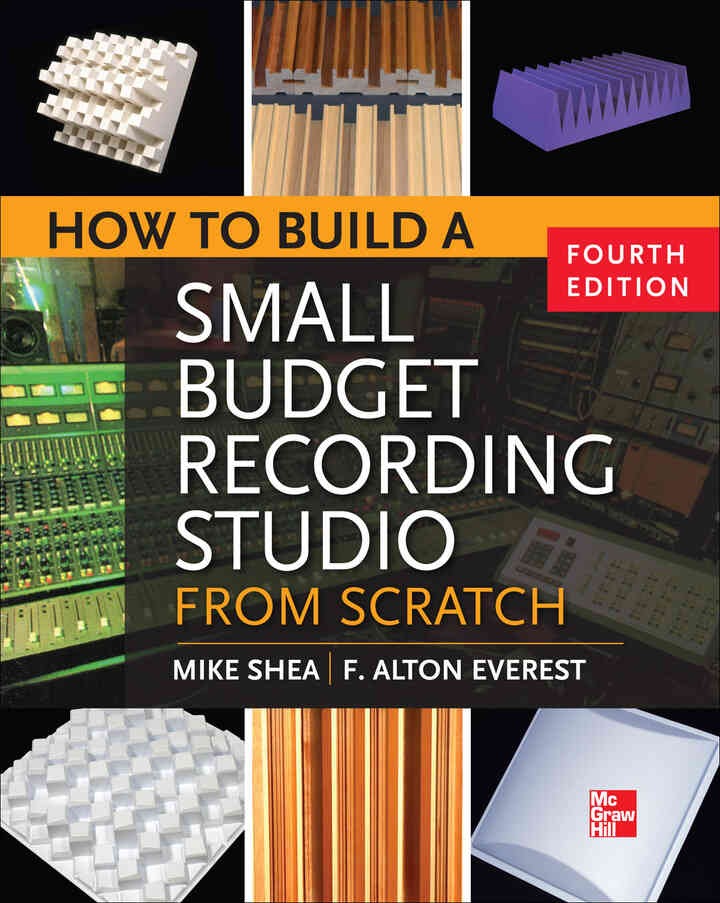
How to Build a Small Budget Recording Studio from Scratch 4/E
Reviews
There are no reviews yet.