
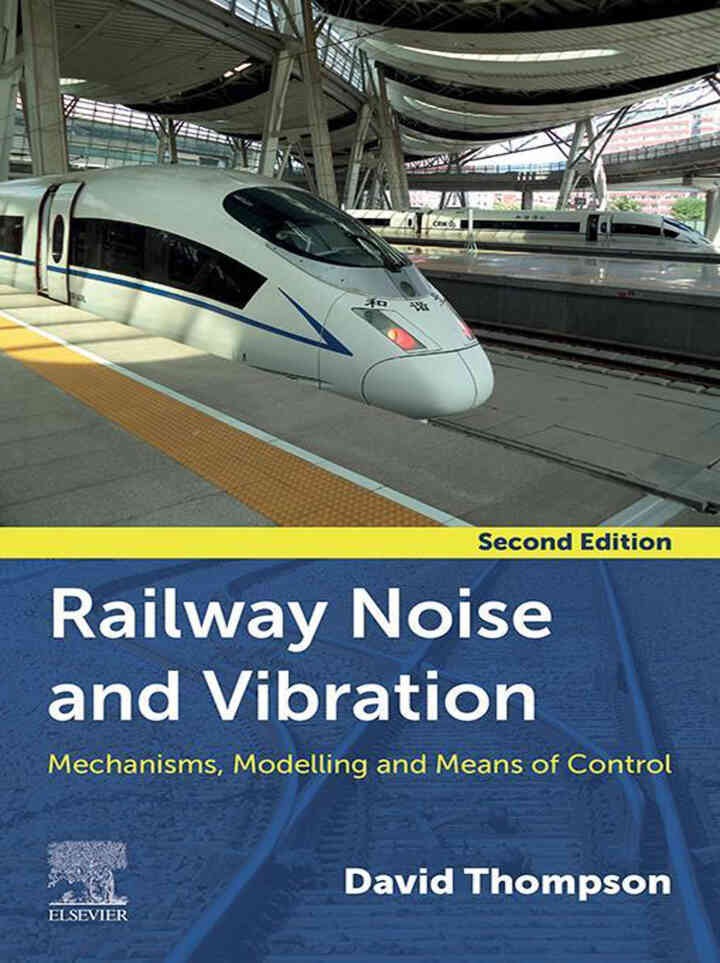
Railway Noise and Vibration: Mechanisms, Modelling, and Means of Control
$39.99
Railway Noise and Vibration: Mechanisms, Modelling, and Means of Control, 2nd Edition provides a complete overview of the state of the art in rail noise and vibration theory and modelling. This book describes each source of noise and vibration, such as rolling noise, curve squeal, bridge noise, aerodynamic noise, ground vibration and ground-borne noise, and vehicle interior noise in a systematic way, covering relevant theoretical modelling approaches and their practical implementation, with extensive examples of noise control technology applied at sourceve up to 80% versus print by going digital with VitalSource. Additional ISBNs include 9780128219799.
Be the first to review “Railway Noise and Vibration: Mechanisms, Modelling, and Means of Control”
Related products

Best Seller zetlly pro

Best Seller zetlly pro
Why Design Matters: Conversations with the World’s Most Creative People
Best Seller zetlly pro
Best Seller zetlly pro
Best Seller zetlly pro
Best Seller zetlly pro
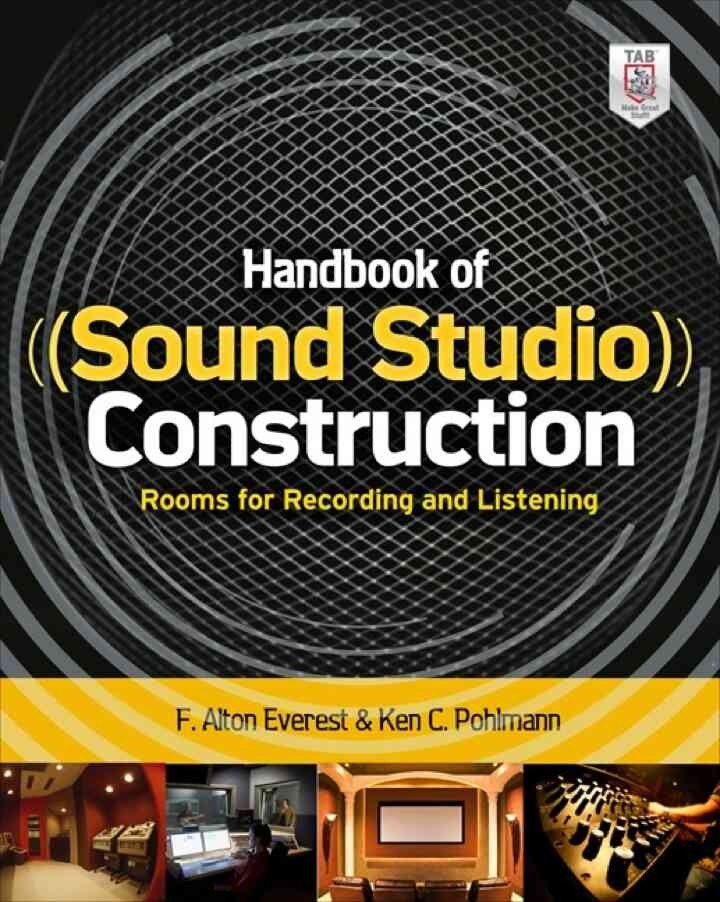
Handbook of Sound Studio Construction: Rooms for Recording and Listening
Best Seller zetlly pro
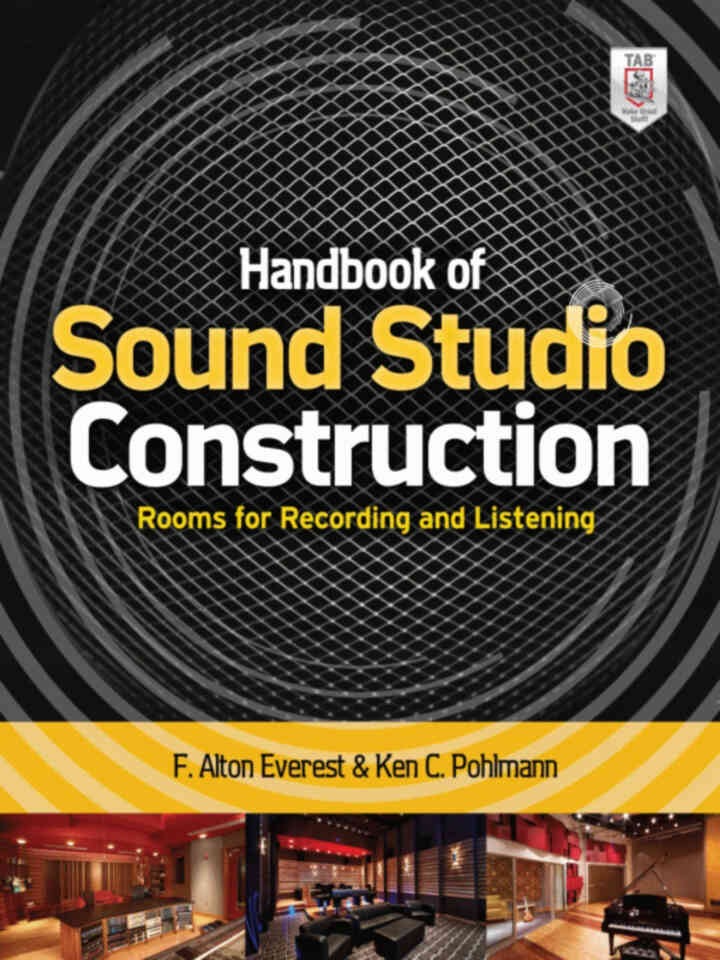
Handbook of Sound Studio Construction: Rooms for Recording and Listening
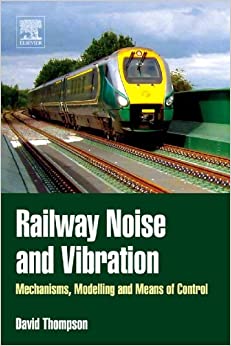
Railway Noise and Vibration: Mechanisms, Modelling and Means of Control
$79.54
Railways are an environmentally friendly means of transport well suited to modern society. However, noise and vibration are key obstacles to further development of the railway networks for high-speed intercity traffic, for freight and for suburban metros and light-rail. All too often noise problems are dealt with inefficiently due to lack of understanding of the problem. This book brings together coverage of the theory of railway noise and vibration with practical applications of noise control technology at source to solve noise and vibration problems from railways. Each source of noise and vibration is described in a systematic way: rolling noise, curve squeal, bridge noise, aerodynamic noise, ground vibration and ground-borne noise, and vehicle interior noise. Theoretical modelling approaches are introduced for each source in a tutorial fashionPractical applications of noise control technology are presented using the theoretical modelsExtensive examples of application to noise reduction techniques are included Railway Noise and Vibration is a hard-working reference and will be invaluable to all who have to deal with noise and vibration from railways, whether working in the industry or in consultancy or academic research. David Thompson is Professor of Railway Noise and Vibration at the Institute of Sound and Vibration Research, University of Southampton. He has worked in the field of railway noise since 1980, with British Rail Research in Derby, UK, and TNO Institute of Applied Physics in the Netherlands before moving to Southampton in 1996. He was responsible for developing the TWINS software for predicting rolling noise.Publisher: Elsevier Science; 1 edition (February 17, 2009) ISBN-10: 0080451470 ISBN-13: 978-0080451473
Reviews
There are no reviews yet.
Be the first to review “Railway Noise and Vibration: Mechanisms, Modelling and Means of Control”
Related products
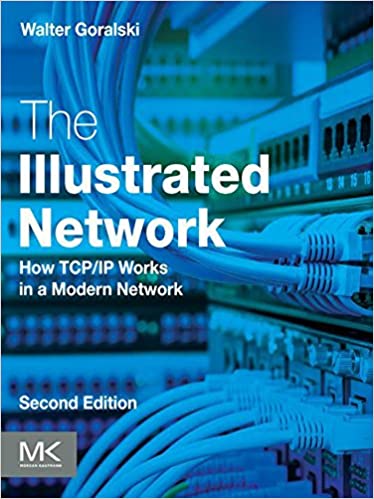
Ebook New zetlly
The Illustrated Network: How TCP/IP Works in a Modern Network
Ebook New zetlly
Ebook New zetlly
Ebook New zetlly

Ebook New zetlly

Reviews
There are no reviews yet.