
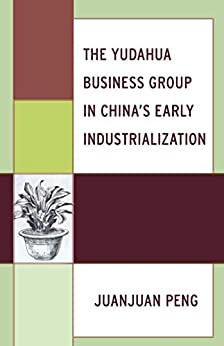
The Yudahua Business Group in China’s Early Industrialization
$31.50
By tracing the history of Yudahua from the late nineteenth century to the middle of the twentieth century, this study analyzes a successful inland business model among textile companies in modern China. The steady growth of this enterprise relied primarily on its strategy to focus on low-end markets and to locate new mills in underdeveloped interior regions. This strategy further allowed the enterprise to pioneer industrialization in its host localities, demonstrating a major social and economic impact on the local societies. At the same time, Yudahua’s unique team leadership pattern-five leading families shared its ownership and management-made the business an atypical family firm and allowed relatively easy institutional departure from Chinese social networks and adoption of Western corporate hierarchy. Therefore, by the late 1940s, Yudahua had gradually developed into a fairly integrated business group with a unified management structure and routinized connections between its member mills, which differed noticeably from the loose alliances normally found in other early twentieth-century Chinese business conglomerates.Product details Publisher: Lexington Books (March 4, 2020) Publication Date: March 4, 2020
Be the first to review “The Yudahua Business Group in China’s Early Industrialization”
Related products

Ebook New zetlly
Russia, NATO and Cooperative Security: Bridging the Gap (Contemporary Security Studies)



Ebook New zetlly

Ebook New zetlly

Ebook New zetlly
Industrial Process Automation Systems: Design and Implementation ?

Ebook New zetlly
The Illustrated Network: How TCP/IP Works in a Modern Network
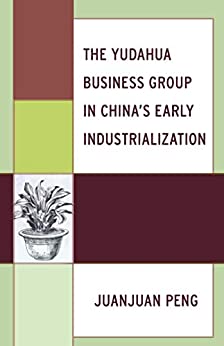
The Yudahua Business Group in China’s Early Industrialization
$31.50
By tracing the history of Yudahua from the late nineteenth century to the middle of the twentieth century, this study analyzes a successful inland business model among textile companies in modern China. The steady growth of this enterprise relied primarily on its strategy to focus on low-end markets and to locate new mills in underdeveloped interior regions. This strategy further allowed the enterprise to pioneer industrialization in its host localities, demonstrating a major social and economic impact on the local societies. At the same time, Yudahua’s unique team leadership pattern-five leading families shared its ownership and management-made the business an atypical family firm and allowed relatively easy institutional departure from Chinese social networks and adoption of Western corporate hierarchy. Therefore, by the late 1940s, Yudahua had gradually developed into a fairly integrated business group with a unified management structure and routinized connections between its member mills, which differed noticeably from the loose alliances normally found in other early twentieth-century Chinese business conglomerates.
Reviews
There are no reviews yet.
Be the first to review “The Yudahua Business Group in China’s Early Industrialization”
Related products
Ebook New zetlly

Ebook New zetlly
The Changing Room: Sex, Drag and Theatre (Gender in Performance)

Ebook New zetlly


Ebook New zetlly
Art Fundamentals Theory and Practice 12th dition by Otto Ocvirk

Ebook New zetlly
Reviews
There are no reviews yet.